Overpaying on Property Taxes? You May Be Able to Lower Them.
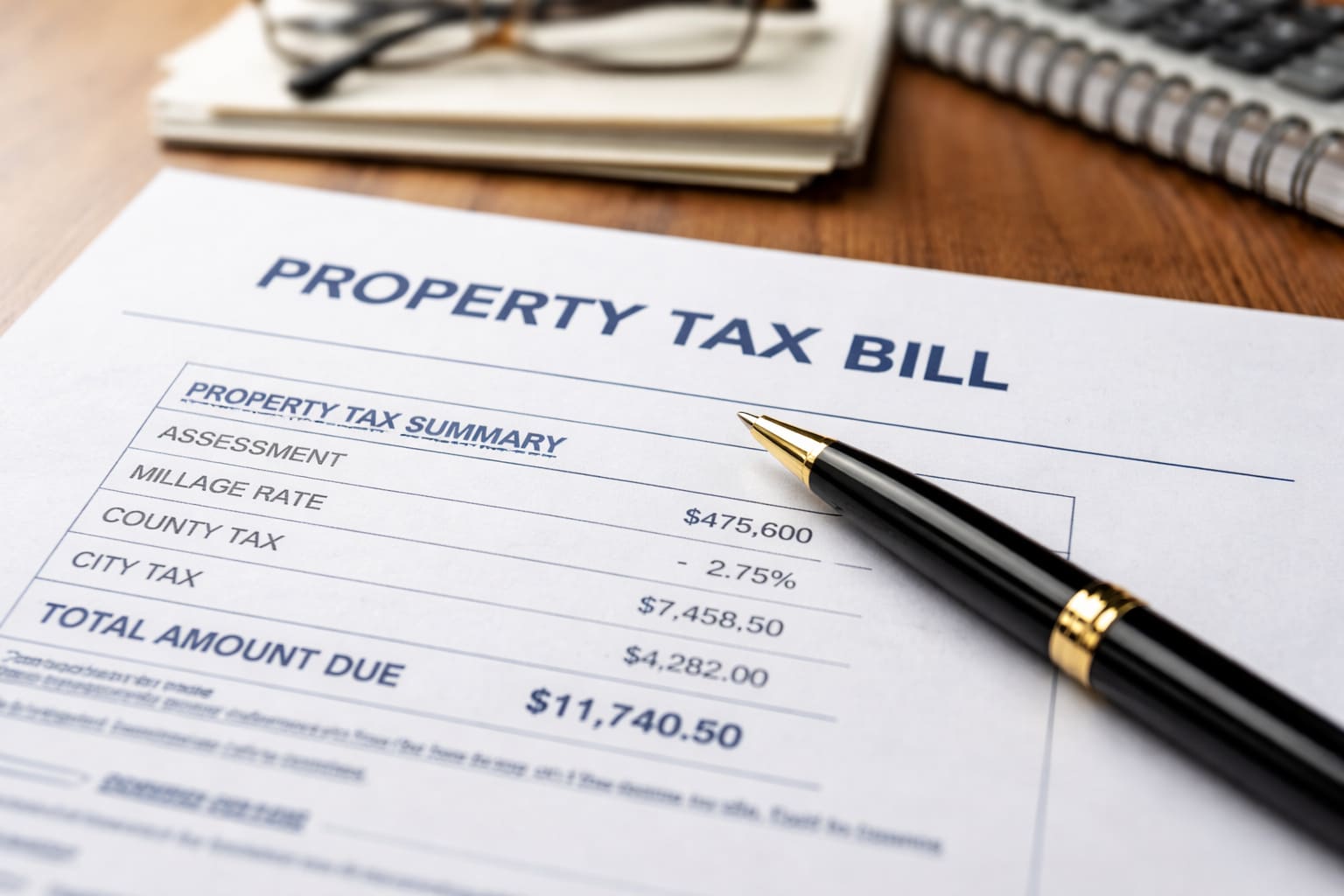
Many Long Island homeowners pay some of the highest property taxes in the country — but you have a legal right to challenge your assessed value if it doesn’t reflect your home’s true market worth.
A property tax grievance is the formal process of asking your local tax authority to review and potentially lower your assessment, which can lead to meaningful savings on your annual tax bill.
In Nassau County, property owners file a grievance with the Assessment Review Commission (ARC) during a specific annual window (usually early January through early March). The ARC reviews your evidence — such as recent sales of similar homes or professional appraisals — and can only reduce or leave unchanged your assessed value (it cannot raise it because you filed a grievance).
In Suffolk County, grievances are filed with your town assessor's office by the grievance deadline each spring (often the third Tuesday in May). If the board of assessment review doesn’t grant a reduction, you still can pursue a Small Claims Assessment Review (SCAR) in the county court for a further look at your case.
Filing a grievance doesn’t cost anything in most cases, and your tax bill cannot increase simply because you challenged your assessment. Many homeowners choose to file each year to make sure they’re paying only their fair share based on current market conditions.
Working with a tax grievance expert can simplify the process and strengthen your case. An experienced professional understands the filing rules, deadlines, and valuation standards in Nassau County and Suffolk County, helping ensure your grievance is accurate, well-supported, and positioned for the best possible outcome.
If you'd like assistance, drop me a line and I can help put you in touch with an expert.
2026 Deadlines for Filing:
• Nassau County: March 1
• Suffolk County: May 19, (Third Tuesday in May)